Latest Posts

Everybody Has Something Wrong With Them

everybody

Everybody has something wrong with them.

I don’t care who you are or how many marathons you’ve run or how loud you are about it, but literally everybody on this planet, no matter how young or old, has something inside that is actively working against them. That young boy bicycling to school has Type I diabetes. The teacher shepherding students into the classroom has arthritis. The school bus driver has sciatica that runs down her right leg. The mailman has a limp because his hip gave out after twenty years of walking his route. The old woman shuffling down the sidewalk has cataracts, rheumatoid arthritis, and skin cancer from the days of tanning with baby oil.

If something isn’t wrong with us when we’re born, something will go wrong. As soon as we are born we start to die, and little chips of us are broken away year after year by means of illnesses and sprains and accidents and cancers.

Some people don’t even know anything is wrong yet. Two guys see their coworker struggling with the side effects of chemotherapy and think, with a bubble of guilt, “Thank God that isn’t me.” But one of them has hardened arteries that could blow any day, and the other comes from a long line of early-onset dementia. They both feel fine. They are not.

Many of us have the luxury of finding out exactly what is wrong with us. Examining the human body is like doing a house inspection — you poke around for a few hours, you’re going to find some surface stuff, sure — but you won’t know the deep, intimate secrets of the house until you’ve lived there for a few months, searched every corner, found the seventies leisure suit in a back closet, realized the basement wasn’t sealed properly, and discovered that the retaining wall is actually backed with sand.

hut-cabin-settlers-settlers-cabin-mud-wattle-logs

“Well, I’ve finished checking out your house, and the foundation is made of squirrels.”

When you know your doctors’ ever-changing resident team by their respective names, you go to the doctor too often. One doctor’s appointment unearths something that leads to several more appointments, MRIs, bone density scans, X-Rays, blood draws, and countless other tests. Out of desperation to comprehend their own conditions, they become amateur medical researchers just to understand what’s happening to their bodies. Unfortunately, those are the people who sound hypochrondriatic. They’ve been forced into situations that set out their bodily shortcomings, which separates them from the seemingly healthy people, which means they have to drag out their laundry list of problems in order to explain strange behavior. This can happen even during normal events — like sitting, for instance.

“Hey Jen,” my friend says, “you want to sit with me on the couch? It’s super soft!” She pats the couch enticingly, waggling her eyebrows. It does look super soft.

portrait-of-chihuahua-puppy-relaxing-on-blanket

Like a puppy!

“Sorry, friend,” I say, moving to the hard-backed reclining chair across the room. It was probably made during the Civil War. “Because my back is messed up from two car accidents that resulted in four fractures and two fusions, I can’t sit on soft things. I need furniture that provides support. Like the floor. And if you see me get up and wander around, that’s just because I need to stretch. I can’t sit for really long periods of time.”

“Whole couch for me!” my friend shouts.

Here’s what happens when I’m out at dinner with friends.

vegetables-italian-pizza-restaurant

Cause of death? DELICIOUS.

“Hey Jen, do you want to get Italian food?”

I hesitate. “I’ll need to check the menu, but even if I can’t eat, I’ll still hang out with you guys.”

“How can you hang out with us and not eat?” They stare at one another. “What does that even mean?”

“Well, I have — okay, well they’re kind of like food allergies, but it’s an autoimmune disease called Eosinophilic Esophagitis? It presents as food allergies but it’s a histamine reaction –”

“So what can you eat?” one of them asks, impatient.

“It’s easier if we list what I can’t eat.”

“What can’t you eat?”

“Wheat, gluten, dairy, shellfish, peanuts, and sometimes alcohol.”

“How do you live?” they always ask. I mean, I don’t know anything else. It’s been this way for nine years, so I’m kind of used to it. I feel better if I don’t eat those foods, and feeling better is always nice. So hey, everybody wins!

The person will usually size me up then, eyebrows a bit furrowed. “But you look fine!”

It’s meant as a compliment. You look great! You look fine! Yes, I look fine. I broke my spine, not my face. Most of us look fine. The largest organ in the body is the skin, and it covers literally everything else that could be potentially be problematic. If our injuries and illnesses aren’t superficially obvious, then we must not have anything wrong with us. Right? Isn’t that how it works? Buildings definitely don’t fall because of weak foundations, right? That’s inside the house. I’m sure it’s fine.

I had the fortune of finding out my problems early in life. A car accident forced doctors to dig deeper into my body to figure out why it wasn’t healing. These visits led to my diagnosis of Eosinophilic Esophagitis. By visiting the doctor so much, I know which symptoms are worthy of note and which can be ignored. 

My point is that someday, you will reach this point if you haven’t already. You might not experience it for very long — you might be seventy and be told you have stage four cancer with six weeks to live. Would you spend those six weeks learning everything about your condition and ways to prolong your life? To live more comfortably? To make things as normal as possible? That’s what all chronic patients do every day. The difference is we’re not acute. Our problems have been around for a long time. They’ll be with us until we die unless cures are invented during our lifetimes. I might be alive for some electrostimulation invention that blocks all of my pain and not just a percentage. I might be alive when they’re able to selectively cut the nerves responsible for being stuck in this painful feedback loop.

But your inner demons, your bad back or gout or interstitial cystitis or myocardial infarction, it’s sitting there, waiting. It will unveil itself at one point or another.

My ultimate point is that if you can’t see the problem — if you can’t visibly see the electrifying agony sparking up and down my spine, if you see a woman with a cane who doesn’t look like she needs it, if you see someone using the handicapped parking space while not looking the part — how about you don’t say anything?

Other people have a skin jacket, just like you, that covers a world of complicated internal machinations. My body breaks down more often than my car. Please go easy on me.
everybody (1).png

These 100-million-plus people in the United States who suffer from chronic pain know that pain more intimately than you hopefully ever will. The Dictionary of Obscure Sorrows has a great word that personifies this: sonder. You’re just a background character in someone’s life. You’re the person in the coffee shop buying a latte when that other person, the hero of another story, gets the worst news of her life. You’re not the protagonist. Everybody is in a different story.

Think about how complex your life is, how much stress you have, how hard your job is, how frustrating relatives can be, how many things are on your plate. Imagine having a roommate suddenly move in — one who doesn’t pay rent, who eats all your food, who keeps you up all night playing the hammered dulcimer. You become sluggish. Wasted. This roommate, he sucks away all your energy, and sometimes he even follows you around, sucker-punching you in the ribs. This roommate is the worst.
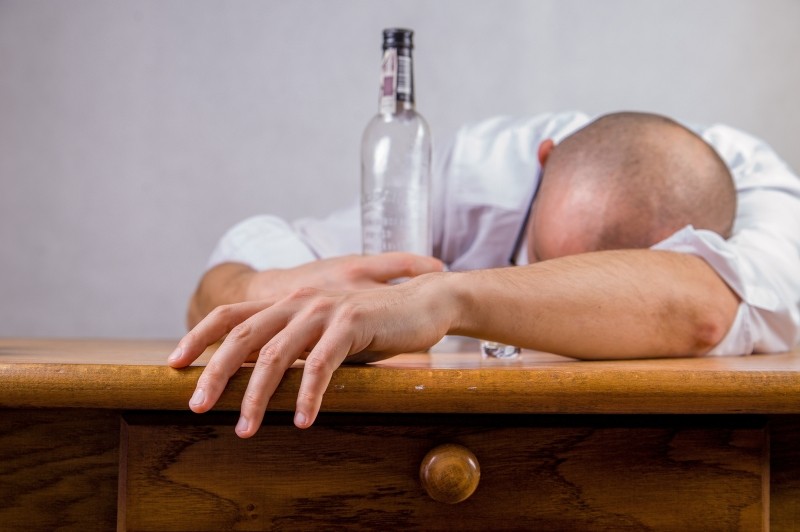
alcohol-hangover-event-death-drunk-alcoholic-fun

“Carl, I can’t believe you drank all my liquor, stole my girlfriend, and set fire to my house! I’m not giving you the security deposit back!”

That’s what we’re dealing with on a daily basis. Our attention is split in half. One half is focused on our regular lives, our jobs, and our families. The other half is focused inward, caught in a storm of such great strength that it pulls the breath from our bodies. So if we seem distracted or forget what you’re talking about, that’s why.

Just be patient with us. We’ll be patient with you when and if the time comes, because we understand.
ChronicBabe: 5 Reasons Why Leaving My Job and Working From Home Was The Best Decision I Ever Made

Check out my guest post for Jenni Grover Prokopy’s site, ChronicBabe!

5 Reasons why Leaving My Job and Working From Home Was the Best Decision I Ever Made

Hi! My name is Jen, and I’m a 29-year-old attorney, editor, writer, and patient advocate. I have spinal fractures from two car accidents that required two cervical fusions. The jury’s out on whether I’ll need more surgery.

I worked in an office for three and a half years after law school. At that point I was dealing with the fallout from my first car accident, which happened in 2004 and decimated my thoracic spine. Law school happened, and then my job, and then… another accident. That second accident became a barrier to a normal life.

Eventually I decided to leave my job and work from home. Here are the reasons why it was the best decision I ever made.

My health comes first now.

I was living the dream: I had a legal job that started at 8 am, ended around 6 pm, had great coworkers, and allowed for a life. My bosses were cool. During my second year, however, I had another car accident. The moment the pain set in, I knew I’d eventually have to leave the traditional workforce. In the year before I left I suffered from increasing pain (which caused repeated vomiting and a hernia), insomnia, loss of control of my hands, limping, muscle spasms, and loss of my ability to focus. In the end, it wasn’t worth it. Now, I telecommute from a recliner. I schedule my day around doctors’ appointments. I work a schedule that flows with when I’m feeling best. Before, there wasn’t time in the day to work on my health, so it controlled me.

I am much happier. 

The “What should I do?” questions wore down my family  especially my husband. I steered every conversation in that direction because I wanted someone to say, “No, you can’t work.” I wanted someone to make that impossibly hard decision for me. My husband begged me to think about my health while I thought about finances. How could I leave without a backup plan? What if I made the wrong decision?

So I did what is generally inadvisable. I started a side-hustle, working on sites like Upwork.com and Flexjobs.com to create a cushion for when I made the jump. I don’t know how I did that, because the level of pain at that point was inhuman. I think it’s because I knew that leaving was inevitable. Now, having the weight of that decision off my chest feels unbelievable. I can breathe. I can think. And with that, I can work. I’m not paralyzed.

My body doesn’t rebel.

The longer I stayed in the office, the more my body fought. My old firm does a lot of tax work, so February 15 to April 15 meant staying late and working weekends. After my second accident, I couldn’t do it. That year my bosses let me keep a normal schedule, since they knew my first spinal fusion would interrupt the marathon anyway. Now, my body doesn’t suffer because of my job. I plan my work around how I feel. Sometimes I need to work harder one day to make up for a rest day, and that’s okay.

I mold my office to fit my needs.

My bosses were great. They bought me a reclining chair for when I needed breaks, and I bought a kneeling chair for my desk. I borrowed books to prop up my monitor and make a standing desk. They never questioned when I had to stretch. Whenever my pain flared, I read on the floor. When it got to the point at which I could no longer sit for a 30-minute meeting, though, I knew something had to give. These days I work from my recliner. Sometimes I use the kneeling chair in the office. Sometimes I work from bed while using prism glasses (they look ridiculous but are gentle on my neck).

I blend my skills in exciting ways.

I did not work for the first few months of 2016 because I was recovering from my second spinal fusion. Once I was coherent, I was able to freelance and create the job of my dreams: attorney editor. The great thing about freelancing is that I get to use all of my skills. By switching up projects, my mind stays engaged. Editing doesn’t require as much mental bandwidth as estate planning does, so it suits me right now.

I finally understand my body. We aren’t fighting anymore, and that’s worth all the fear I felt before making the jump. Now I know that working from home – and putting my health above everything else – was the right decision for me.

Why Do I Keep Waking Up at 4:30 AM Every Day?

5 Reasons why Leaving My Job and Working From Home Was the Best Decision I Ever Made (1)

Sleep has always been a passion of mine.

IMG_3721

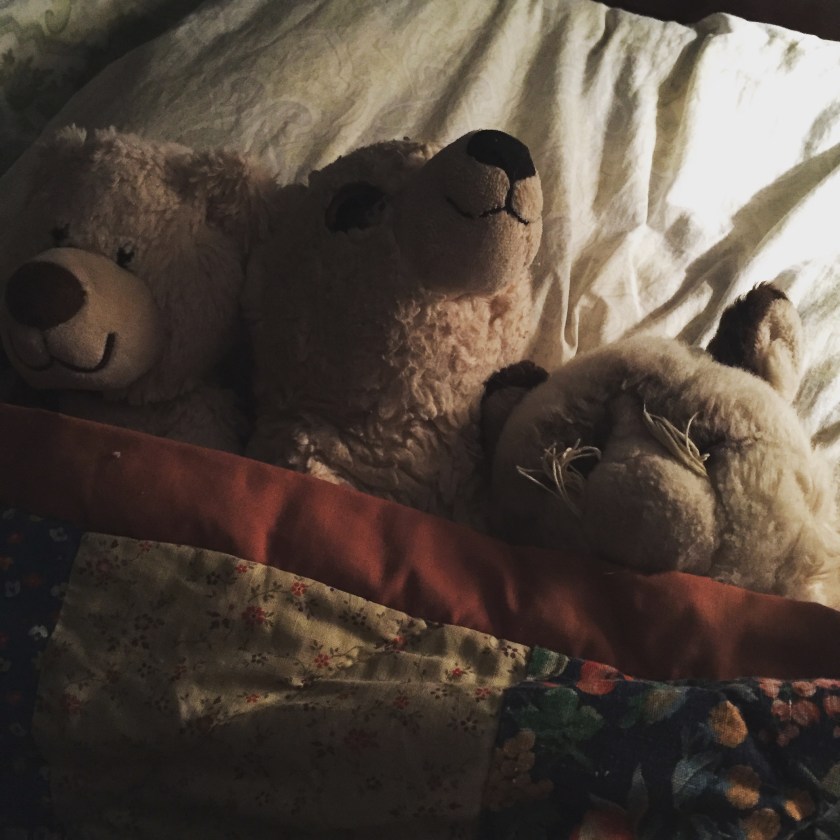
Yes, that’s my side of the bed. Going from left to right, that’s Tedward, Cooper, and Grumpy Cat. Yes, I am 29 years old. Yes, my husband tolerates the stuffed animals.

I’m always a bit grumpy when I have to leave my pile of blankets and start the day. It’s the most comfortable, comforting place I know. Like comedian Jim Gaffigan said to his bed, “You were wonderful last night… I didn’t want it to end.” My high school friends knew not to call my parents’ house after 9 pm because we would be asleep. The weirdest part is that as children, my siblings and I would put ourselves to bed at a reasonable hour. My parents would have friends over, and instead of trying to stay up with the adults, we’d wander downstairs in our pajamas to bid everyone goodnight. My brother and sister have become night owls, but I’ve always needed more time in bed because of my chronic injuries. As such, I was never an early bird or a night owl. I guess I’m sort of a late-morning angry bird.

2349293536_fef347ecd4_z

AAAAAAAAHHHHHHHHHHHHHH!

Photo credit: challiyan via Visualhunt.com / CC BY-SA

So imagine my surprise this week when I started waking up — truly waking up — at 4:30 am. I thought it was a fluke at first, and now we’re on six days of early rising. I am going to bed at the same time (early), and I have always needed nine-plus hours of sleep. I’d fall asleep around 9:30 pm and wake up around 6:30, 7ish. Even after all those hours, I could still fall asleep again. I’ve always wanted to get up earlier. Think of all the great things I could accomplish if I had more hours in the day! Like writing this blog post at 5:30 in the morning! For God’s sake, the sun is rising as I type this!

silhouette-of-woman-standing-on-pier-at-sunset

That’s not me.

It’s been great to get some work and chores done before 7 am. There’s a certain pride to it, a sense of accomplishment when you’re alone in the early morning darkness. And recently I’ve been very cognizant of the fact that I need more time to complete things, though it seemed impossible to change that situation. “You have the same number of hours in the day as Stephen King and Beyonce. You either need to get up early or stay up late,” I said to myself. I’d tried napping consistently, but my body rebelled. I knew that staying up late wouldn’t happen. I needed a midday nap just so I could see The Force Awakens at 11 pm.

Now it’s a matter of figuring out why I am waking up at 4:30 in the morning. The first four times, all I noticed was a strong sense of “I’m awake, I’m ready to go!” Yesterday and today, my mid-back injury to T-11, T-12, and L-1 felt splintery and angry. You ever have that feeling like your bones are scraping and grinding together? That’s how I felt. No matter what position I tried, I wasn’t comfortable. It’s easier to get out of bed at that point. I’d wondered if my nighttime medication had abruptly worn off, prompting the internal alarm, but I’ve always managed to sleep through that.

The only change I can think of is that I cut out processed sugar last week. I started waking up early two days later.

Why did I cut out processed sugar? Because it’s an inflammatory substance, and chronic pain patients need to eradicate as much inflammation as possible. I’ve been debating this for ages, since I already cut out so many foods because of my autoimmune disorder and didn’t want to deprive myself further. But sugar makes me feel physically awful. Don’t get me wrong, I love sugar. I love sweets. I love cake. I love it all — while I’m eating it.

sweets-jelly-babies-food-dessert-candy-sugar

You are delicious and evil. Deliciously evil. Evilly delicious.

But I always regret it afterward when my pain levels start creeping upward. My spine lights up after eating a cupcake. It occurred to me that by eating sugar, I was feeding my pain. I needed to do all I could personally do to make myself better. That meant no processed sugar. I suppose I could’ve also cut out fruit for the initial phase, but I only have so much strength. I went cold turkey about seven days ago. I didn’t have any withdrawal symptoms, which can actually happen with sugar deprivation — no headaches, no crabbiness, no cravings, nothing. Just this sudden, early-morning insomnia.

Cutting out sugar is the one part of my life I’ve changed since suddenly needing less sleep. My brother told me to go to bed later so I wake up at a normal human hour, but I love getting up early now. It’s breathtaking. It’s calming. I start my day on a slow, gentle note instead of feeling rushed and harried (though working from home, I’m not feeling rushed these days anyway). I do yoga in the darkness. I write stories. I water the plants before my neighbors even wake up. I get so much work done before breakfast. And, oddly enough, I haven’t crashed in the afternoon. Yesterday I did, but that’s because it was almost 100 degrees and 95-plus percent humidity, which always does a number on me. Even so, when I tried to take a nap, I couldn’t. I was too awake.

I don’t know if this is sustainable or if my body will crash soon. All I know is that I’m enjoying this while it lasts.


Huffington Post: How Long Have You Been Fighting the Chronic Pain System?

Check out my first article as a contributor for the Huffington Post!

How long have you been in the system?

The medical system, I mean. I’m talking about the chronic pain and illness patients ― like me ― who make a pilgrimage to the doctor’s office month after month, year after year, until the pain stops (or we die).

PHOTO VIA VISUALHUNT


You know someone like this, since one in three people suffers from chronic pain in the United States. That’s right – between you, Mom, and Dad, statistically one of you is dealing with a physical or mental ailment that ranges from mild to debilitating, and has lasted longer than three months.

That’s pretty loose criteria. I sailed by that marker about 12 years ago.

When I was 17 our car was rear-ended by a man driving 65 miles per hour while we were stopped because of traffic. My aunt was the front passenger and my mother was in the driver’s seat. I could see my mom’s eyes widening in the rear-view mirror. I had enough time to think, “Oh, no,” and then I felt a force hit us that shook my entire world. Everything in the trunk ― luggage, golf clubs, my cousin’s saxophone ― slid forward and slammed against the back of my seat. The impact broke my spine in four places. Only three of the fractures were found after two weeks of staggering around on painkillers and taking the SATs for college; the fourth healed incorrectly, calcifying over a cluster of nerves.

Nine years later, my car was rear-ended again. It was a rainy day, and I’d left work late. Since that day, I’ve said to myself repeatedly, “If I’d been on time, maybe I wouldn’t have gotten hit.” A young woman in a rusty sky-blue sedan was driving at 35 miles per hour and skidded into my Elantra ― almost half the speed of my first accident, but it still required two cervical fusions.

Chronic pain patients have a moment when they realize they might be in this system for a long time ― an overwhelming system of insurance referrals and co-pays and specialists and medications.

On October 1, 2016, I’ll have been in the system for 12 years.

I realize now that, comparatively, it was tolerable at first. I saw pain management specialists, physical therapists, aqua therapists, chiropractors, manual therapists, acupuncturists, and yoga therapists – anyone who took a co-pay.

Then the system starting making decisions for me.

When Insurance Chooses Your Care

“We apologize, but we cannot accept you as a patient at this pain management facility because you have a relationship with another clinic.” This, paraphrased, is a letter I received when trying to change health centers. They said I couldn’t be seen unless they had a procedure that my current doctor did not offer. How would I know what procedure I needed until I met with them? How could I order from the menu without reading it? I tried to explain this to their staff. No luck.

I fled my pain management center when they substituted deep breathing for medication. (Side note: I was brought up by alternative medicine and have nothing but respect for it. My father started in athletic training before becoming a physical therapist and then a bio-integrative therapist.) I found a different hospital that still believed in medication… until the system cracked down.

You Cost Too Much Money

I received a chilling letter from my insurance company that said I was seeing too many “out of network providers” and included a list of my network’s physicians. Changing doctors when you are on a drug regimen is challenging; everyone surveys you with suspicion, especially in this climate with chronic pain patients being characterized as pill-seeking deviants. When it takes upward of 12 years to find the right medical professionals, nobody will stop me, much less an insurance company.

But what did the letter mean? That letter arrived on a Friday afternoon, too late to call their office. I spent the weekend thinking I’d have to find new doctors or pay obscene amounts of money to feel halfway decent. It was only at 9 a.m. the following Monday that I was informed, “Oh, you can still see your specialist! They just won’t be billed as Tier I.”

That was when I felt the walls closing in. If I hadn’t asked, I would’ve assumed that my doctors were no longer covered. I’d never felt hindered by the system before. Small attempts had been made to rein in my care, but nothing like this. I was nothing but a patient code number in a vast insurance network. Nobody cared about fixing or treating me.

It’s not entirely about insurance coverage. Other pain sufferers have reported how difficult it is even for established patients to get medication under the new CDC guidelines. In the end, coverage doesn’t matter if you can’t get prescriptions.

“I won’t have trouble,” I thought. “I’ve been in two car accidents. There are more than 1,000 pages of medical records.”

But the system doesn’t care how much proof you can produce.

You Can’t Have Meds

I had an appointment with my pain management doctor the day after the CDC’s opioid conference here in Boston. That was perfect timing. Before the appointment, it hadn’t been hard to receive medication. I’ve needed opioids for more than a decade, but now every prescription is questioned or, in Walgreens’ case, denied. My doctor admitted how terrifying the conference had been. “We can revoke your license,” the CDC said. And these are guidelines, remember. They’re not laws.

Blocking access to Vicodin or Percocet, I can understand. But Tramadol? It’s a synthetic opioid with a low risk of addiction when used long-term. Explaining that Tramadol barely covered the damage from my first accident, much less the second one, led nowhere productive. It doesn’t matter how much pain I have or how I do everything “right,” as in therapy, yoga, over-the-counter medications, topicals, wearables like the Quell pain relief device, and far more. Every appointment is now a fight. I spend days worrying about whether I’ll find myself without medication. I try to prepare for what I cannot prepare for.

The System Has Abandoned Us

Chronic pain patients are held captive and abandoned by this broken medical system. The message we hear is that doctors are too afraid to worry about our suffering. How can a doctor effectively treat patients when he’s waiting for the state licensing board to come knocking, saying he’s being investigated for overprescribing? As an attorney, I can understand. Professionals work hard for licenses. However, I’m not telling my clients, “Sorry, I can’t talk to the IRS on your behalf. There are too many people in debt. I know we’ve been helping you, but we can’t do that anymore. Have you looked into financial literacy classes?”

Studies say that opioids are not useful in the long run and can actually harm patients, causing opioid-induced hyperalgesia (a heightened sensitivity to pain). That’s not a good outcome. But some of us have no other options. That is the crux of our argument. You cannot remove our sole option and leave us with nothing, especially if we are using the medications as prescribed.

In the meantime, what are we supposed to do? I’m preparing for my medication to be taken away at any moment ― which has already caused a patient to die from a stroke caused by abrupt medication cessation, as I learned in an online advocacy group.

This situation is not our fault. We did not create the opioid epidemic. Most of us are responsible and should not be collectively penalized when someone isn’t. We are already held hostage by this system. All we want is to keep our pain from imprisoning us.

Does Chronic Pain Need a Mascot? (My Answer? Yes.)

Readers, meet Rufus.

rufus copy

Rufus ain’t got time for nonsense.

I feel that a mascot is needed in my life. You know, a cheerleader who understands how hard life can be when feeling physically terrible and having your attention constantly split in half. Chronic pain is vague by definition; it can be widespread or localized in the body, stabbing or dull, intense or flat. We only have the unifying term of “spoonie,” which is derived from the Spoon Theory. While that does a great job of describing why we power down without warning (because we’ve “run out of spoons,” each spoon representing a daily activity), it doesn’t give me a good visual besides — well, cutlery.

I wanted to show the chronic pain and illness experience, but I needed something that would also put a smile on my face. Like, “Yeah, chronic pain is exhausting and endless. Let me explain my day to you. Let me help you understand. I’ll try to make you laugh while I talk about it, because I know how depressing this topic is.”  

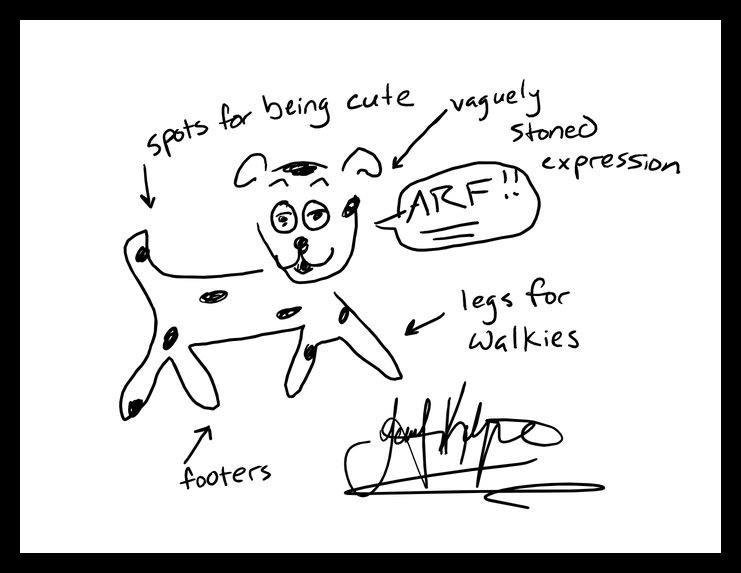
I couldn’t design that character myself, though. Here is the extent of my artistic abilities:

rsz_wcm0010

I can’t draw.

My sister, Caroline Kain Schooley, picked up on my strange frustration. She’s a graphic designer and digital artist, and after discussing a mascot, Caroline plucked Rufus out of the ether and brought him to grumpy, glorious life.

Rufus is our anthropomorphic personification of chronic pain, and he’s named after the mascot from our alma mater, Ohio University. He is cranky, exhausted, rumpled, and exasperated. He has many pill bottles and topical creams. He sleeps more than is socially acceptable and walks like an eighty-year-old turtle. Rufus is, for lack of a better phrase, my spirit animal.

Caroline and I are very excited about Rufus. We decided to explore his world and his life so that we could impart upon others what patients have to go through. This turned into the skeleton for a coloring book, something neither of us has ever done before; the above picture will serve as the cover (not my drawing, obviously). Current and new subscribers to this blog will receive the cover as a slightly altered coloring book page! Coloring is a form of mindfulness, and mindfulness is great for pain control. So get out those finger paints and get to work!

sun-children-drawing-image-drawing-paint

EXQUISITE.

We will be imparting more details about Rufus as the project progresses. Someday soon we’ll have a book up for sale, one that details the difficulties of chronic pain but still maintains a sense of humor. It’ll feature Caroline’s art, because she’s the one who inherited that talent from our mother.

By the way — If you want to say hi to Caroline or talk about artsy stuff, her email is carolinekain@schooleyconsultingllc.com!

The Pulse: Are Good Care and Compassion Lost in Efforts to Curb Opioid Prescriptions?

ser-en-dip-it-y (n) (2)

The title asks a great question. The Pulse of WHYY Radio asked that question of me in a podcast, and here is what I said! They also included the counter-perspective of a physician and health consultant, which I think was a great way to balance the conversation. Go listen to the melodious sound of my voice! It’ll air live next Friday at 9 am (I think), so if you’re in the Philadelphia/Delaware/Southern Jersey area, turn on that radio and tune in!

l_beforeafterspine

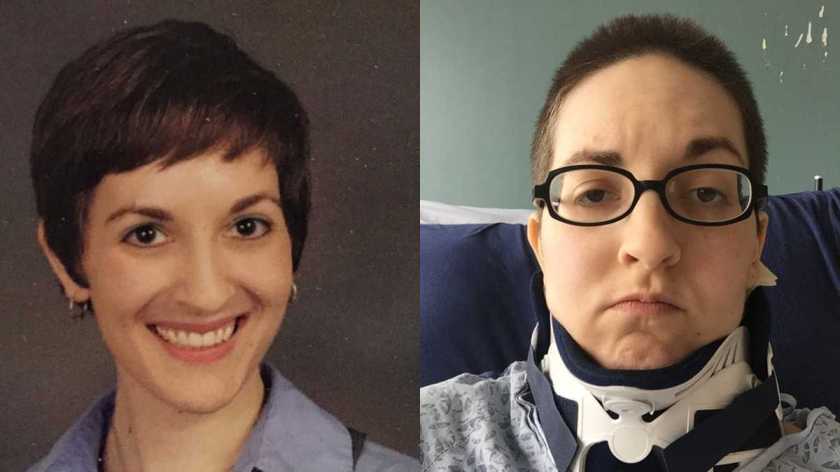
Thank God they put the pictures next to each other so people can see that I don’t always look like a bridge troll.

Link again to the podcast: click here!

The Quell Pain Relief Device: One Year Later

ser-en-dip-it-y (n) (3)

One year ago today, a beautiful relationship between man and machine began.

I shall weave my disclaimer into the story: This day last year, FedEx delivered the Quell pain relief device that I’d bought during their Indiegogo campaign. I hadn’t been contacted by the company to try it, and I paid for it with money that I earned. I keep several alerts on my news feeds, and I found it in a story about new medical devices that contained this slim, mostly unobtrusive wearable. It sounded too good to be true — it could produce endogenous opioids within my body, like natural versions of the medications I fought so hard each month to receive? All-over pain relief by wearing an electrode on the calf? I didn’t care if it sounded too good to be true. I had to try it.

813_1

Via QuellRelief.com.

And I have tried it for approximately 350 out of the past 365 days. About one week of that was when I transitioned to a work-from-home situation. My routine was so interrupted that I simply forgot to put it on. Believe me, I noticed those days but was too stupid to figure out what was different. The rest of the days were post-cervical fusion, so I was too medicated to care.

I have been wearing the Quell for a year now. What are my thoughts?

The Positives: Our Love Will Never Die

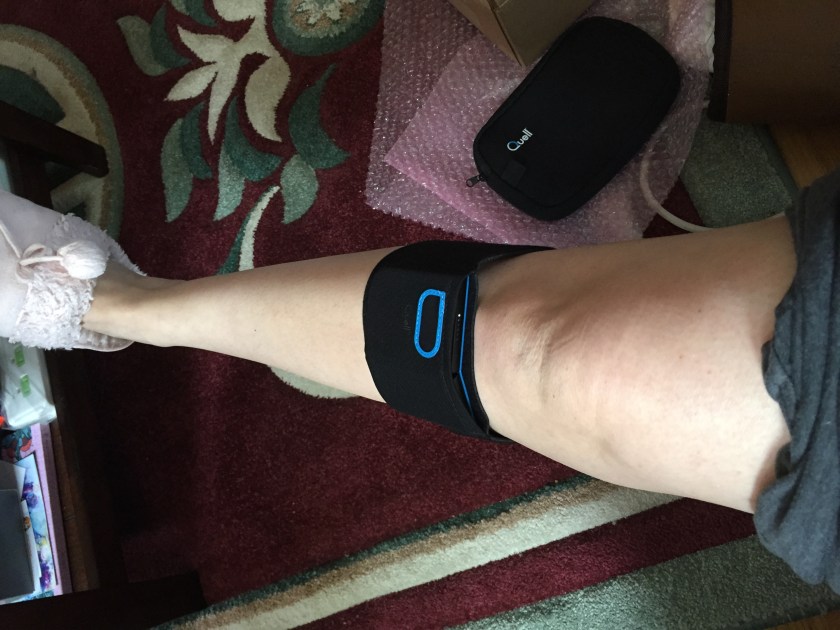
I wear this black athletic band-looking device every day on my pasty white legs because it absolutely works. It works so well.

IMG_2267

My family’s part Irish. I can’t tan at gunpoint.

As I say to everyone on my blog, it doesn’t get rid of all the pain, but it dampens it enough that you can get on with your life and feel productive for a change. I can’t say that’s the same experience everyone would have; I’m sure those with pain at, for instance, a normal 9 out of 10 on the pain scale (10 being the worst), it might bring it down to a 6 or 7. It doesn’t sound like a lot, but for anyone who’s had the lovely opportunity to describe their lives on a pain scale, they know that the difference between a 7 and 6 can be tremendous. It can mean a day out with friends. It can mean a romp in the sheets with hubby. It can mean throwing a baseball around with your kid for once without having to spend a day recovering.

It does wonders for my sciatica, my low-back pain, and a good portion of my mid-back and neck pain. I recommend the Quell to everyone in a similar or even distantly related situation, anyone who has chronic pain anywhere in the body (for some reason I think it draws the line at migraines, but that might be anecdotal; however, it did not do much for my cervicogenic headaches).

Pretty much everything else, though? Covered like a glorious numbing bandage. Anyone who emails me, I recommend it. I also instruct them to contact the Quell team for their specific ailments, because I have no idea what’s contraindicated beside the obvious, like pacemakers. But maybe even those can still be used simultaneously with this device! My point is that their team is ready and willing to answer all questions. They handled my idiocy with grace when I called a few months ago to ask why my replacement Quell wasn’t working (the slot for the charging cable became too loose in my first edition device, so they sent a free replacement under my warranty). It wasn’t working because I hadn’t read the calibrating instructions correctly. The customer service representative was endlessly patient with me as I tried to figure out what “put your foot flat so your ankle is at a ninety-degree angle while calibrating” meant. Because, as we’ve established, I’m an idiot.

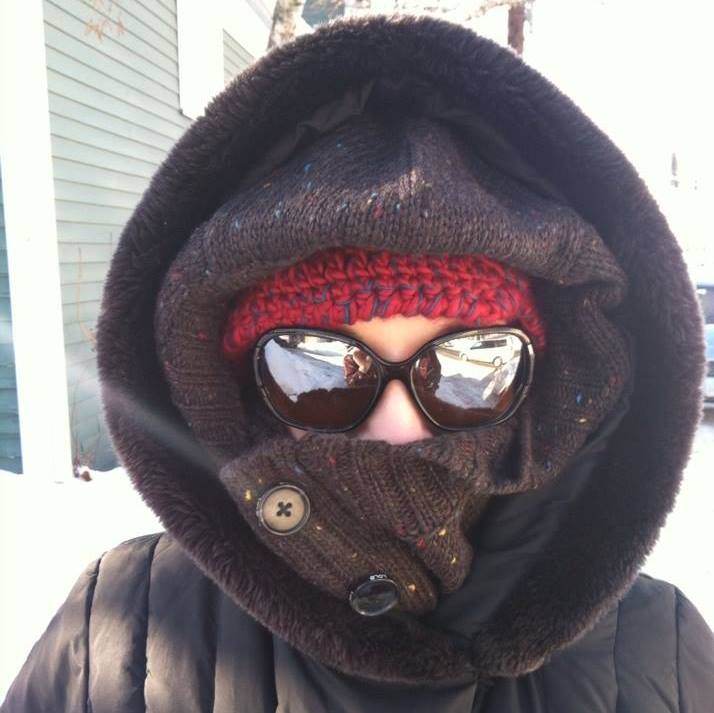
Hiding in a Snood.

J. W. Kain: Idiot, Esq.

Some people complain that the initial cost of the device ($249.00) and continuing cost of the electrodes is prohibitive (one month’s worth is $29.95). And yeah, that’s an initial punch. The offset is that I didn’t have to fight the medical and insurance systems to get it. My TENS unit was expensive even though it had been prescribed by a doctor and covered by insurance. Want to know why? They only covered the machine and not the ledes. IT DOESN’T WORK WITHOUT THE LEDES. Meanwhile, every TENS that I’ve tried doesn’t work as well as the Quell. 

So I buy the replacement electrodes with a smile because I know that they will bring relief. I don’t care what they cost. I don’t care that the machine isn’t covered by insurance. This is an investment that A.) is tax-deductible, so hey, I’ve got that goin’ for me, which is nice, and B.) actually works.

The Negatives: Any Relationship Quirks?

IMG_3453

Hey. How you doin’.

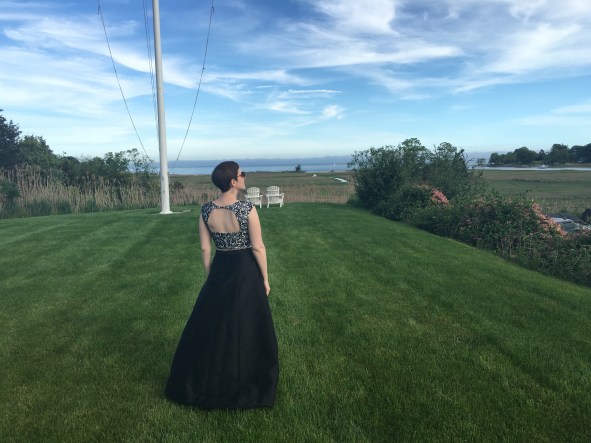
The vain part of me still sometimes gets self-conscious when wearing the Quell, especially at events like weddings or just when I’m walking around in shorts. I can’t go without the device because I know how I’ll feel, and it’s not worth it — not even to wear the hottest dress at the wedding. Because of this vanity, I do one of two things: 1) I let the Quell dictate my outfit, which isn’t usually a bad idea; and 2) I showcase my blinding white legs complete with the black strap.

IMG_0429

The Quell chose a fantastic outfit this time!

It’s changed my outfits, sure. Skinny pants are out, and many of my skirts just don’t work. I don’t exactly feel sexy while wearing it. If science were up to me, I would somehow translate this device into an adhesive Band-Aid-thin patch that contains a battery within the gel. I want to wear my skinny pants, guys!

Second problem: Should the calves become irritated or if you want to switch it up, you can wear the Quell above your knee. Maybe this works easier for men because their legs are narrower, but for women, we, uh — we have thighs. We might be, shall we say, voluptuous. This means that for me to keep the Quell strap in place when I wear it above the knee, I have to use safety pins to hold it there. Kind of MacGyver-ish, but this makes sense. He went to my alma mater. We think alike.

The only other problem? You can increase or decrease the intensity of the Quell by using the iPhone app (a recent update that I quite like and which is not the issue — heavens, no). By the way, I thought about the negatives for this section for a good five minutes, and the only other issue I have with the device is that the electrodes, when operating at a high intensity, can irritate the skin. I’ve had to turn mine up very high lately because of increased pain during a flare, and even though I don’t wear the Quell at night, my skin has an itchy rash where the electrodes rested during the day. Keep in mind I have this thing turned up to 11. I ended up buying lotion specifically designed for rashes, and I have to slather it on in a layer that slowly soaks in over about an hour before I go to bed. You have to keep switching up the placement of the electrode so that the skin can air out in between uses. Sometimes I get lazy about that, so it’s pretty much my own fault.

But seriously, it’s not even that big of a deal. What’s that you say, chronic pain patient? Itching and a distinct lack of skinny jeans are the only side effects? Done. Dealt with. I swear, I really had to think hard about this section. Like, yeah, the band is jet black. It can look weird when wearing it out and about. Nine out of ten people assume I have a knee injury. The tenth person asks what it is or — as I said a year ago — assume I am a felon with a very forgiving GPS tracking system. I am more than happy to explain that, no, I am not on parole. I’d wondered at one point whether a flesh-colored band would be better and less obvious, but then I realized it would look bizarre. Like some weird, lumpy growth. Better to make it obvious. Take the stride of pride.

Compliment Sandwich

In the end, I don’t care about itching or fashion or safety pins. I would endure the worst itching for this device. My legs could bleed and I’d still use it. I would wear a sleeve of safety pins like a high school goth. I’d wear a hoop skirt to cover my calves.

14761667976_50e4fb068e_z

… Maybe not the hoop skirt.

But I’d certainly live without skinny jeans.

The Quell enables me to do so many things that I wouldn’t otherwise be able to do. I can go for long walks in the woods. I can go on spontaneous adventures with friends. I can work longer during the day. I can do more. For someone in my position, that is immeasurable. A few extra hours in the day means I can make money to pay bills or spend real time with my husband or see a friend I haven’t in seen in months. The Quell pain relief device means I can live more of my life. And that is worth everything.

Guest Post: Water Exercise for Chronic Pain Relief

ser-en-dip-it-y (n) (5).jpg

Chronic pain comes in many forms: aching in the joints, dull burning in the muscles, or shooting pains throughout the body. While some bodily pain after an injury or surgery is normal, pain that persists beyond average recovery time or that arises inexplicably is considered chronic. The National Institute of Health (NIH) defines chronic pain as “any pain lasting more than 12 weeks.” These pains can be sharp or dull, localized or felt throughout the body.

The American Chronic Pain Association (ACPA) widely recommends exercise therapy, or “active therapy,” to increase the range of motion, strength, and flexibility and to enhance the quality of life. Though resting the body may seem like a tempting option, doctors have come to recognize that inactivity typically exacerbates symptoms. Dr. Edward Laskowski, a rehabilitation specialist at the Mayo Clinic, explains, “[w]hen you rest, you become deconditioned — which may actually contribute to chronic pain.” Whether you suffer from fibromyalgia, arthritis, migraines, Crohn’s Disease, multiple sclerosis, or another physically debilitating illness, remaining active is paramount to managing pain.

swim-422546_1280

Via Pixabay

Exercise for Pain Relief

Studies show that regular workouts can make pain more manageable. A 2014 study conducted jointly by the University of New South Wales and Neuroscience Research Australia compared pain tolerance in groups of exercisers and non-exercisers. Researchers found that the group that regularly exercised had an increased tolerance for pain, which the scientists attributed to psychological changes caused by challenging exercise. So, even if performing regular workouts doesn’t decrease your level of pain, you’ll be able to endure it more stoically.

Aside from exercise’s effect on pain tolerance, physical activity also stimulates the brain to release endorphins, which minimize bodily discomfort and invoke feelings of euphoria and mental well-being, according to J. Kip Matthews, Ph.D., an exercise psychologist. Any exercise — cycling, rowing, walking, yoga — provides pain reduction in the form of endorphin release and subsequent mood enhancement. Not to mention that maintaining a healthy weight and strong muscles reduces stress on joints and bones, alleviating pain caused by arthritis, cerebral palsy, and multiple sclerosis.

Via Pixabay

Via Pixabay

Why Water Exercise?

While any exercise is better than none at all, aquatic workouts are highly recommended by the Aquatic Therapy and Rehab Institute, the Aquatic Exercise Association, the Cleveland Clinic, and many other respected health organizations. The Center for Disease Control and Prevention (CDC) recommends water exercise as a way to prevent and treat chronic illness because of its enjoyable atmosphere. The CDC also notes that people are able to exercise longer in an aquatic environment without causing undue pressure to the body, making the pool an ideal place to get a solid workout. The Cleveland Clinic also strongly advocates aquatic exercise and rehab to patients with musculoskeletal and neurological conditions that cause pain, citing water’s decompressive and anti-inflammatory capacities.

For patients with fibromyalgia, decreased blood flow to the muscles leads to increased pain. According to Doris Cope, M.D., the director of pain management at University of Pittsburgh Medical Center, cites tense muscles as a primary cause for pain among fibromyalgia patients. Thankfully, water’s hydrostatic pressure promotes blood flow throughout the body while reducing blood pressure, causing an immediate reduction in globalized pain.

Not only does water address the physically painful challenges of exercise, but it also provides mental benefits. According to the CDC, swimming reduces anxiety and decreases depression — both of which accompany chronic pain conditions.

As a chronic pain patient, it’s especially important to consult your doctor before starting a new exercise routine. Your doctor or specialist will be able to tell you how often and how vigorously you can work out without exacerbating pain symptoms. Once you’ve got the okay, slip into the comforting embrace of water exercise — one of the gentlest exercise methods for people with chronic pain conditions.

lizzy


This guest post was written by Lizzy Bullock, a swimmer, Red Cross certified swimming instructor (WSI), and swimming coach with more than a decade of experience working with infants, children, and adults. Lizzy currently works as a swimming instructor and staff writer for AquaGear, a swim school and online swim shop.


Does HFactor Hydrogen Water Actually Work for Fatigue, Recovery, & Energy Levels?

Through my membership in the Chronic Illness Bloggers program, I am able to review products that normally I would never even see or — if I did see them in a store — think to buy. It’s exposing me to a world of items that I had not thought were remotely relevant to chronic pain and illness patients. Like, for instance, HFactor Water — infused with more hydrogen!

NECESSARY DISCLAIMER: This is a sponsored post. I was given six Capri Sun-like packs of HFactor, as well as straws, through my membership in the Chronic Illness Bloggers’ network in exchange for my thoughts and opinions regarding the product. All opinions are my own, and besides the gift of the HFactor pouches, I have not been influenced by the company in any way. 

Of course, water already has hydrogen, hence the H20 makeup. However, hydrogen-rich water is supposed to help a number of ailments ranging from diabetes to the side-effects of chemotherapy. Improvements have been confirmed by studies (this linked one is specifically on metabolic syndrome), but the benefits of hydrogen-rich water have not been reviewed by the FDA. According to the HFactor website:

In normal water, two hydrogen atoms are bound to oxygen (H2O) making it difficult for our bodies to enjoy the benefits of hydrogen.  In hydrogen rich water, molecular hydrogen gas (H2) is dissolved into water creating active diatomic hydrogen molecules that are accessible to our bodies.  Molecular hydrogen, small and soluble, has the potential to quickly circulate into many locations of our body, including the hard to reach powerhouses of our cells.

And, to further explain it:

Depending on your home, work and lifestyle choices, there are many potential ways that hydrogen rich water may enhance your health and wellness.

It has been documented through hundreds of studies that molecular hydrogen may have the potential to improve athletic performance and recovery, energy levels, jet lag, hangovers, allergies, skin irritation, inflammation and circulation, among many other researched benefits.

You want less pain? Drink more water. That’s a given, even on a chronic level. Hydration is necessary in order for the body to function; dehydration leads to painful flare days. I already try to drink water with electrolytes because Gatorade commercials told me that would hydrate me better than actual water. (And apparently I’d also sweat neon colors, stomp through concrete, and wrench down basketball hoops.) I actually used to take over-the-counter electrolyte pills back in law school and college, which made me the best friend of all my hungover classmates. That was so much easier than trying to chug blue Gatorade after a night on the town. I’m not sure that Gatorade is supposed to look and/or taste like lighter fluid, so I bounced from that to Vitamin Water Zero (lemonade, obviously) to electrolyte-filled Propel water to Bai5 (a delicious fruity drink that also has a small dose of caffeine, which is all my GI tract can handle at present).

This HFactor stuff seemed like a vast improvement considering that A) it pretty much just tastes like water, which I like, and B) it allegedly helps with things that are quite relevant to me, like recovery, energy levels, skin irritation, and inflammation. I was mostly intrigued by the “energy levels” part given that my GI adventures mean that I am currently on a GERD diet. Which means little to no caffeine. Which means no coffee.

Sweet Sorrow (1)

Yup.

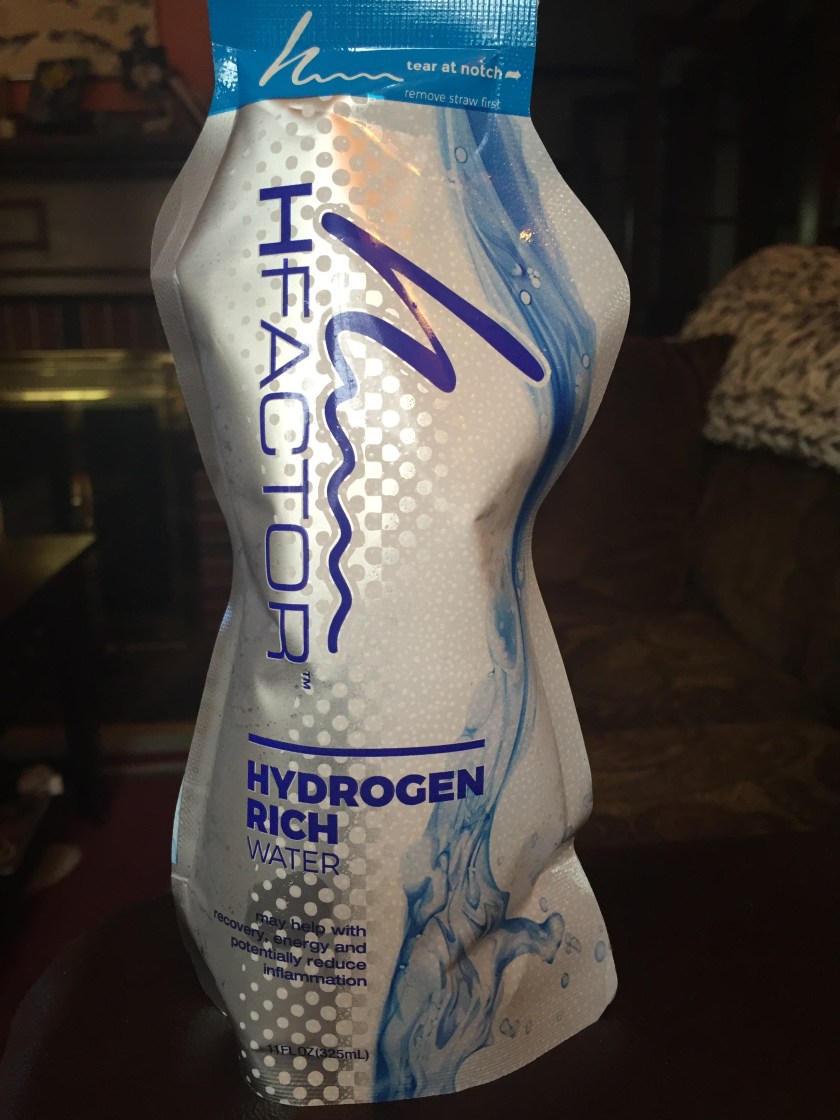
So these water pouches (I almost want to call them “bags” of water, like they have bags of milk in Canada — also, why do they have bags of milk in Canada?). The reason for the bags in this instance is that hydrogen can actually escape through plastic or glass, according to their website. Here’s what they look like:

IMG_3118

HFACTOR! Da na na na na na!

I really do feel that with a name like that, it needs a theme song. I received six of these in a box from the company, three of which I was originally planning to give to Husband. He’s an endurance runner, boxer, and all-around crazy athletic person, so I was curious to see how these would help him post-workout. However, when I saw it was best to drink one to two of these per day and I only had six, I kept them all for myself. For science!

Coincidentally, this is about when I had to stop drinking coffee, so I was dreading the inevitable caffeine withdrawal — mainly the headaches — because I already have such bad cervicogenic headaches as it is. I figured if these really had any fatigue- and energy-fighting properties, now was the time to prove it.

TEST YOUR MIGHT

I never developed the gift of being able to pierce a Capri Sun pouch without destroying it. These HFactor pouches are actually torn open, not that I was any more skilled at that. I actually cut open the bag and stuck the awesome bendy straw inside that way, like a cheater. (True story, bendy straws take me back to ice cream milkshakes from childhood.) The whole presentation made me feel delightfully young. I was using a straw! Like for milkshakes!

Is HFactor Easy to Use?

I mean, it’s water. You drink it. The pouch could be problematic for people like me who are thoroughly unable to rip open the pouch without drenching the entire kitchen. It has a bendy straw so no matter how immobile your head is, you can drink it. I’d say the product as a whole is pretty solid.

Any Issues with HFactor?

Again, the ripping-open-the-pouch thing, but we’ve already discussed my inadequacies. The only other potential issue is the slightly different taste of the water. You actually can taste the hydrogen, but it’s more of a just-opened-compression-tank sort of chemical smell, or like unsealing a pressurized can of tennis balls — pleasant in a way. At least, I found it pleasant. I played tennis in high school, so, again, that smell brings me back to my childhood. It’s weird that what is essentially a sports performance drink is able to incorporate both the smell of tennis and the presentation of Capri Sun in an adult package. Those are very specific triggers for me.

My Final Thoughts on HFactor

Now comes the most important question: Did HFactor actually do what it says on the tin? I don’t know how scientific of a study I am able to conduct with six pouches, but I drank two a day for the three days that I was detoxing from coffee.

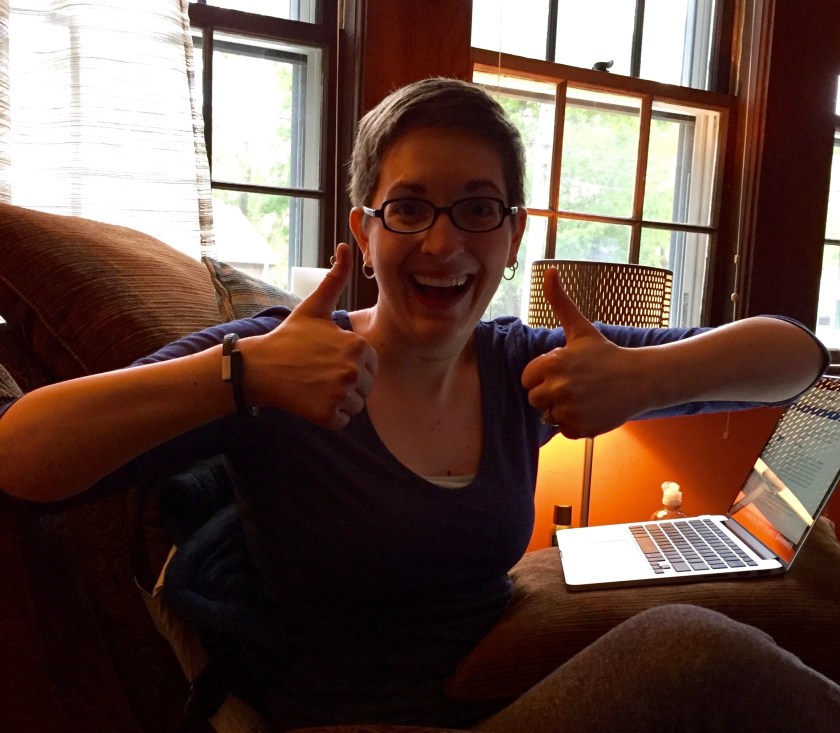
  • Guess who has two thumbs and didn’t have caffeine withdrawal headaches?
    • THIS GIRL! SEE EXHIBIT A, BELOW!
  • Are the two related?
    • I AM NOT SURE, THIS WAS NOT A SCIENTIFIC DOUBLE-BLIND STUDY!
  • Do I care?
    • NO!

I didn’t have any other changes in my routine, so I don’t care if it’s not considered scientific. I think the HFactor was able to help enough with the fatigue from detoxing from coffee. Based on that, I’m going to keep drinking it!

Version 2

One of these days, I’ll learn proper lighting techniques.

Check out HFactor’s website here!

Pain News Network: Media Hysteria and the Opioid Crisis

Hello, my darlings! Check out my latest column for the Pain News Network!

_________________________________________________________________

I recently received this email from a family member:

Hi Jen,

I was listening to a thing on pain medication and why prescription meds are so dangerous. They turn the receptors off in the brain and the person forgets to breathe.  That part is a totally separate thing from the pain. Dr. Sanjay Gupta was on talking about it. I think that is a very valid argument about overuse of pain meds.

For example, Prince had very valid issues to use the meds and also lived a very clean life style. If he overused, it goes to follow that someone who doesn’t lead a clean lifestyle is in more danger. It’s not the meds as much as the brain receptors. The breathing part is scary. So I’m not such an advocate anymore…..unless you can tell me this isn’t true and why he would say that.

I love you and don’t want anything to happen to you. Xoxoxox

I got mad after reading that, even though I knew she was coming from a place of love and fear. It didn’t take long for me to calm down because I saw the bigger issue.

First off? Yes, those claims are true. They are also massively simplified. Heavy pain medications slow down or impair bodily functions. You’ve seen those opioid-induced constipation commercials. That is why only a select few of the chronic pain club gets high-voltage pills for daily life as opposed to post-surgical pain.

Here’s a great quote from WBUR’s interview with Dr. Howard Fields that explains the difference between addiction and dependence, the latter being what most chronic pain patients experience:

“Addiction really gets to the issue of compulsive overuse of a drug so that it becomes the dominant thing in your life. If you are going to your physician once a month and getting your prescription refilled and you are able to lead a normal life by taking a pill maybe three or four times a day, you’re not addicted.

But if you’re spending all your time in the search of a drug, or trying to get the money to buy that drug, or stealing from your friends, or going around in other people’s medicine cabinets looking for opioids, then you’re addicted.”

My view of this increasingly volatile situation is that opioids — which the majority of pain patients use responsibly — cannot be banned without another medical intervention in place. Yet some pain management clinics are declining to prescribe opioids.

So what’s fueling this explosion of insanity?

Welcome to the opioid crisis media extravaganza. There is currently a media blitz surrounding the national opioid crisis.

  • A doctor in Buffalo was indicted and closed his practice, leaving thousands of his patients without access to pain medication.
  • A California doctor was convicted of murder for writing too many prescriptions (and to be fair, that case was pretty shady).
  • The late pop icon Prince died after allegedly overdosing on opioids (though few talk about his chronic and debilitating pain, a condition that is “criminally under-treated”).

Many, many people have overdosed and/or died. That is undeniable and is certainly a problem. But the national reaction has not been the appropriate response. The CDC guidelines that discourage doctors from prescribing opioids gloss over pain patients like we don’t exist and only add to our desperation. A former FDA commissioner even slanders us.

So many patients are doing everything right — exercise, strength training, meditation, deep breathing, over-the-counter pills, medical marijuana, aqua therapy, physical therapy, chiropractic work, Reiki, crystals, and anything they see that makes a vague promise to help.

Pain can drive sufferers to extreme lengths, be it suicide or illegal drugs like heroin. Patients are far more likely to turn to street drugs if there is no access to proper pain medication. Or, you know, when pharmaceutical companies outright lie about the addictive natures of their pills.

It’s coming out in the news more steadily now, but the rumblings have been around for several years. The opioid crisis may have started partly because OxyContin, “a chemical cousin of heroin,” had addictive qualities and yet was prescribed with abandon.

Purdue Pharma reps went to doctors and told them their pill wasn’t addictive and lasted for twelve straight hours!

In reality, OxyContin presents a serious end-of-dose failure. This is when a drug says it will quiet pain for twelve hours, but in reality only works for eight. This causes patients to take additional pills or stronger ones, which can lead to overdose and addiction.

A four-hour gap? What did Purdue expect to happen?

The knee-jerk reaction to the crisis is to limit the prescriptions of opioids. What does this do to pain patients? It leaves many of us without access to pain management methods that the majority of us have not abused.

Doctors tell sobbing patients that long-term opioids are usually not the answer. But they are the answer for many patients who literally have no other options beside being bed-bound or dead. Those patients are now in grave danger of being driven to extremes. Like that one awful guy who ruins things for everyone else, there have been patients who’ve abused their health care regimens. Sometimes they can’t even help it, like so many of those OxyContin patients who were lied to.

Many of us have to sign pain contracts before we can even dream of receiving opioid prescriptions. These state that our pills are doled out in certain quantities over a set period of time and that they cannot be replaced, supplanted, or in any way refilled for one month. If we lose them, if they get stolen, or if the world explodes, we cannot get more.

We have to get new prescriptions in writing every month. The hard copies have to be delivered to the pharmacy. Our driver’s licenses must be presented to the pharmacist so they can track our pill usage. Then, and only then, do we receive our prescriptions.

Tell me: Why on earth would we jeopardize that? Most of us are responsible. We don’t overuse what we have. We know we can’t, or we’re cut off.

A lot of people say, “You’ll end up hooked.” The medication will change our brains to make us need, need, need, and we will do anything to fill that need.

And yet, both I and other patients in my support groups, online chats, and frequent fliers at the doctor’s office time our prescriptions and take them exactly when due. We pair that with every other over-the-counter intervention we can think of, like wearables, pain patches, creams, and braces. We can’t rely on opioids because they might disappear at any moment.

The current approach to battling the opioid crisis lumps pain patients with true addicts, and it skews the statistics. I’m not naïve enough to say that some addicts didn’t start as pain patients. I know some did. But in my entire decade-plus in the medical system, I personally know of only one person who started on pain medication and ended up in rehab. I know a few more online, but I can count them on one hand.

My fundamental message here is that unless the proper education is provided, even your biggest supporters — your family, your friends, your colleagues — might react to the media hysteria without doing research that contextualizes the data. They might read a tweet or a headline and react out of fear. Stories will keep being conflated.

They might even send an email like the one sent to me. They only mean the best, but it adds to the collective national fear that is leaving thousands upon thousands of pain patients without the treatment we need.

Prohibition didn’t work in the 1920s. This version of Prohibition isn’t going to work either. The sooner we as a society come to that conclusion, the better.